
Category: Good Practice
Explanations and investigations into good practice in charity admin, and gospel order in Quaker business meetings.
-

Quaker A-Z: I is for Information
Information and information overload One difficulty for many new trustees – or even experienced ones – is information overload. There is just so much to be known, and there is the fear that you’ve not learned something important, or have learned something that isn’t correct or doesn’t apply to your charity. Photo by Giulia May
-

Quaker A-Z: E is for Employment
What does love require of us? You may feel that being an employer or managing volunteers is tricky and complicated. Especially if you’ve not had to do this elsewhere. Thankfully you’re not alone! Quaker Life offers guidance, templates and other documents on the Britain Yearly Meeting website. Focused on the recruitment and management of both
-

Quaker A-Z: D is for Doing Good
Don’t just sit there… I remember the children’s meeting resource called, ‘Don’t just sit there do something!’ But so often people feel overwhelmed with the amount of needs and demands they see in the world. Even in the same worshipping community there can be differences of opinion as to what needs focusing on. I read
-

Quaker A-Z: T is for Timekeeping
Photo by Jon Tyson on Unsplash One of the questions which comes up frequently during MBS clerk support & training is agenda timekeeping, especially how to keep to time while still allowing time during the meeting for the spirit to move.Anyone who has attended a Yearly Meeting will be familiar with the way those clerks
-
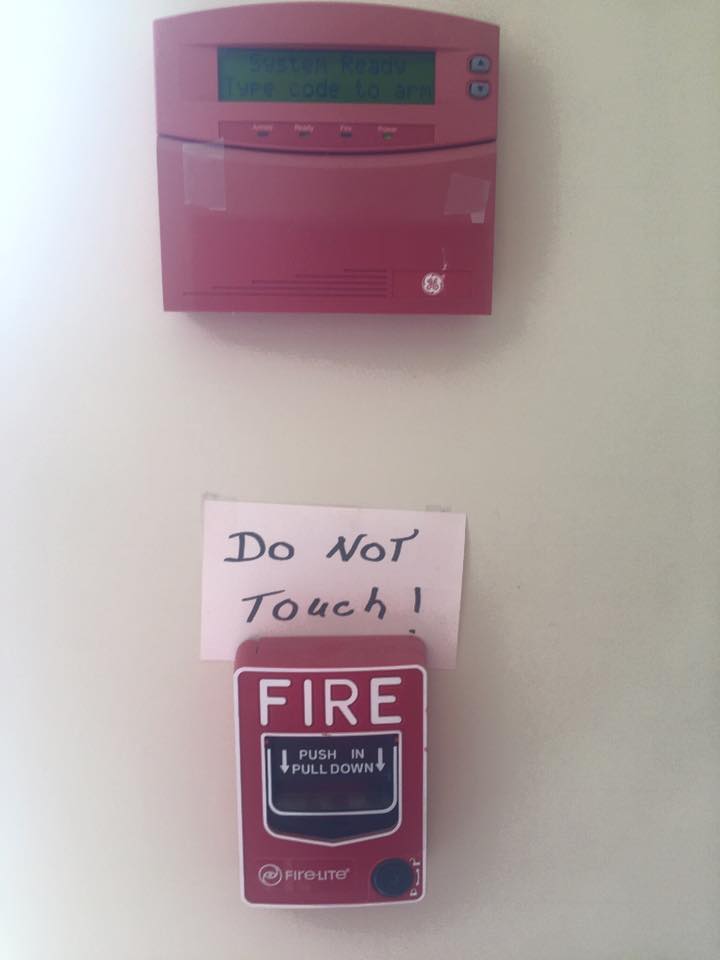
Expect the unexpected
Signs At MBS we have several decades of experience in working with different venues, committees, and groups to find ways to manage their buildings while increasing income, monitoring costs, and handling the tricky balancing act of meeting the needs of all those who use the spaces. Needless to say, we have seen several informative signs
-

Quaker A-Z: R is for Reservations
Unseen reservations & resistance As those who know me would affirm – I am a committee nerd. Was tickled to be welcomed as one at a Woodbrooke course on serving nationally – the facilitator saying it was unlikely we’d all turned up to learn about becoming a better committee member if we weren’t! So, I
-
Quaker A-Z Clerking: O is for Onboarding
What do we mean by Onboarding? Onboarding is the action or process of integrating a new person into an organisation ensuring they have the tools and support need to help them be productive and do the work that they are expecting to do. Photo by Gilles Roux on Unsplash Don’t you mean Induction? In the
-

Quaker A-Z: N is for Non-assumptive Language
Thinking about the language you use… I’m sure you’ve heard the old truism about “ass-uming”. But our society actually trains us to make various assumptions, usually based on “normal” behaviour and lifestyles. The language we use is no different. Picture this: you are a volunteer manager. Your charity is holding some event – perhaps a fundraiser,
-

Quaker A-Z: K is for Keep it Simple & Sustainable
Photo by Brett Jordan on Unsplash Quakers have testimonies of both simplicity & sustainability. Like all testimonies, both should apply to all aspects of life – including administration!Charities are usually run by volunteers, with occasional paid support for specific jobs. How do you ensure that your systems continue through the changes of role holders, volunteers,

