
Category: Charity Management
Advice and tips on how to manage and run your charity
-

AdventWord 2024: Sprout
Growing Through Professional Development and Training The word sprout symbolizes growth and potential—a small, hopeful beginning that, with care and nurturing, can flourish into something remarkable. In the world of professional development, sprouting represents the first steps toward building new skills, strengthening teams, and achieving meaningful growth. Photo by Jeremy Bishop on Unsplash Mindful Business
-

Quaker A-Z: X is for X-ray
X-rays look through to the supporting structures An X-ray gives transparency and vision that cuts through and sees what is important in an organisation. The end of the year is always a good time to take stock – to review what you’ve successfully completed, where things didn’t develop or complete as expected, or perhaps what
-

Quaker A-Z: W is for Who Do you Talk To?
Anyone or Everyone? When I ask – Who do you talk to? – question many trustees look surprised at that question and then tell me that they talk to other trustees and members of the charity/AM. Often they tell me they don’t talk to anyone outside of the charity. But of course by having buildings, and/or being
-

Quaker A-Z: V is for Volunteer
I’m not a Volunteer, I’m just helping out… Everyone doing an unpaid task for the organisation is a volunteer. That includes: Committee Members & Trustees People who come in regularly to help with the gardening, or ad hoc by participating in a spring clean Popping in to do the locking and unlocking of buildings and
-

Quaker A-Z: U is for Unfair Business
What do we mean by unfair business? Quakers traditionally are associated with fair business practices – although if this reputation led to business success is still under discussion. The use of the Quaker Business Method, or some parts of the ‘toolkit‘ have been shown to improve how meetings are run. The unusual feeling of presuming
-
Quaker A-Z: S is for Slices of Power
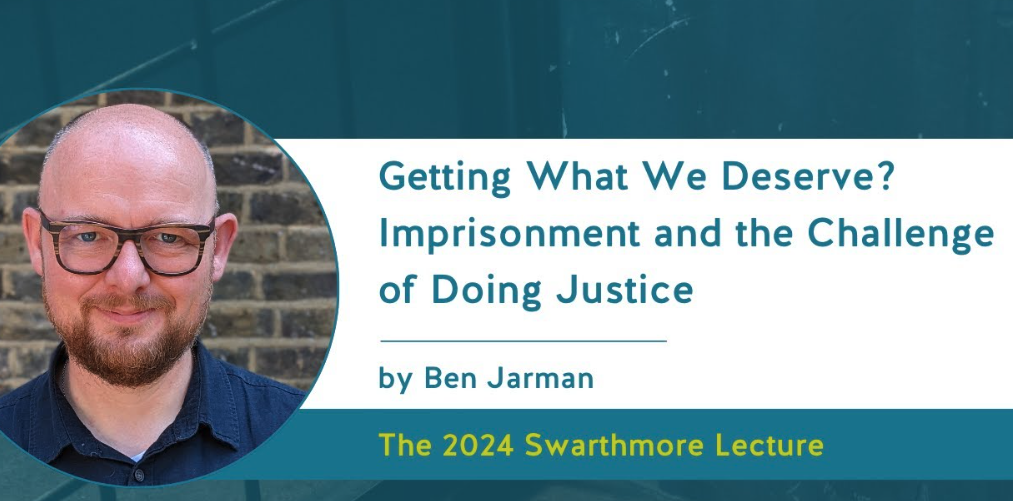
Swarthmore Lecture 2024 I was inspired and challenged by Ben Jarman’s lecture at Yearly Meeting a couple of months ago. You can watch all of it on YouTube – linked below. The idea I was most challenged by was the idea of ‘slices of power’, which Ben introduced about an hour into the lecture where
-

Quaker A-Z: R is for Reduction & Rest
Reducing Reports One of the things I hear from clients is the wish that there were fewer things to do, fewer reports to read, fewer risks to worry about and mitigate against… I’ve hopefully given you some ideas on how to simplify and streamline your priorities as you manage your charity – while still ensuring
-
Quaker A-Z: Q is for Quiz!
Quick Quiz! Did you know that the Charity Commission has educational resources? They also have a quiz which can help you pinpoint any gaps in your knowledge. The Charity Commission’s research shows that around 98% of trustees feel ‘very’ or ‘somewhat’ confident in managing or governing their charity. When questioned on basic role requirements, on