
Tag: Yearly Meeting
-

All the colours
Letting the Light shine through Together with colours, it is always wonderful to get to see Friends and catch up. But also to join new conversations and discussions in corridors, and over meals. Last weekend I attended the Future of British Quakerism Conference in Yarnfield. We were joined by a very young Friend who ministered joyfully
-

Quaker A-Z: T is for Together
Being Surprised I love Yearly Meeting and go whenever it is possible. I find that it is part of the foundation of my grounding and rootedness in British Quakerism. It helps me to reconnect to the community as a much wider group. I see and am together with my regular Meetings for Worship (online and
-
Quaker A-Z: S is for Slices of Power
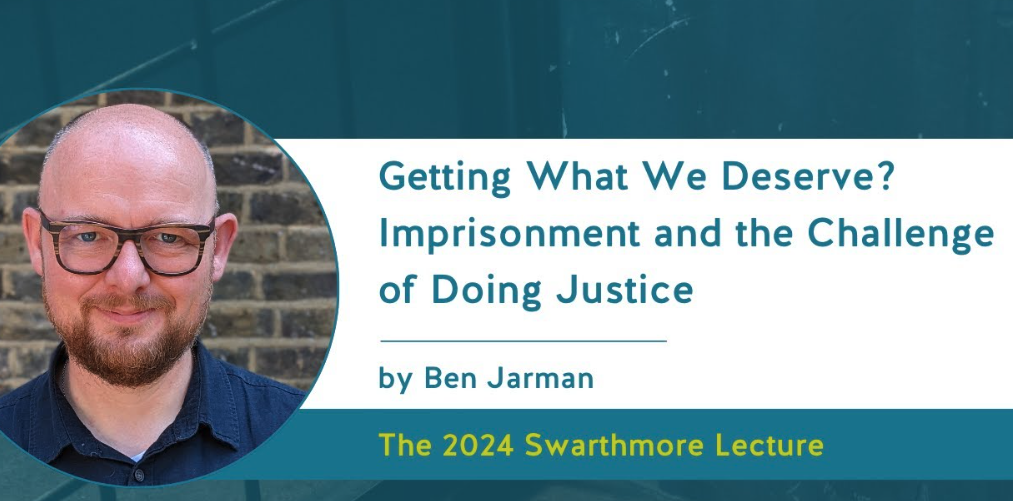
Swarthmore Lecture 2024 I was inspired and challenged by Ben Jarman’s lecture at Yearly Meeting a couple of months ago. You can watch all of it on YouTube – linked below. The idea I was most challenged by was the idea of ‘slices of power’, which Ben introduced about an hour into the lecture where
-
Quaker A-Z: G is for Good Governance
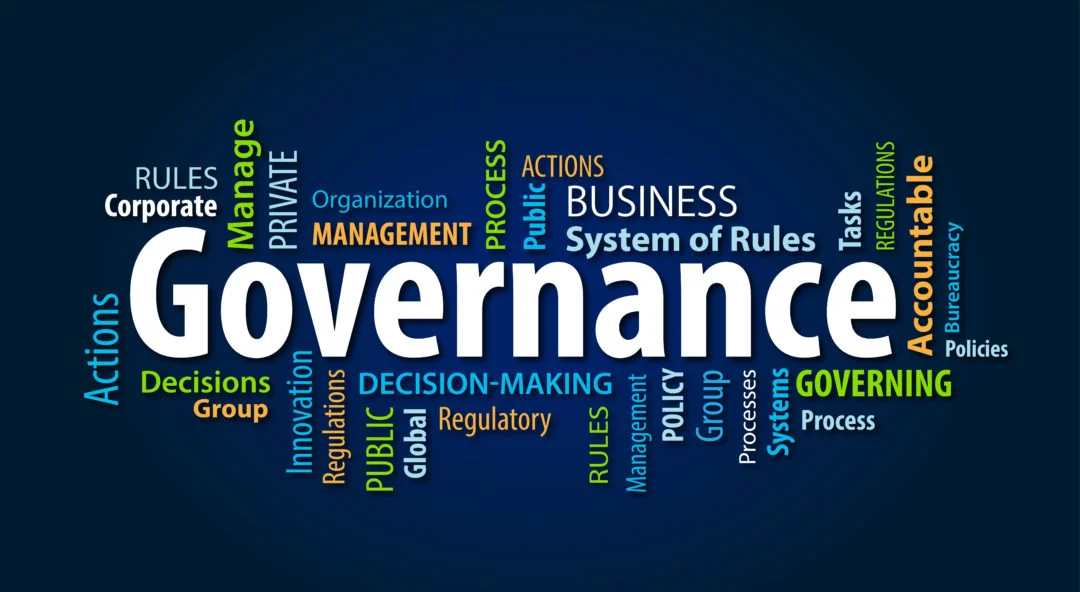
What is Good Governance? Governance is the process of decision-making and the process by which those decisions are implemented or not. Governance is used in a range of contexts from international law, the running of countries down to the most local level. In each context there will be a range of people or organisations involved
-

Quaker A-Z: E is for Employment
What does love require of us? You may feel that being an employer or managing volunteers is tricky and complicated. Especially if you’ve not had to do this elsewhere. Thankfully you’re not alone! Quaker Life offers guidance, templates and other documents on the Britain Yearly Meeting website. Focused on the recruitment and management of both
-

Quaker A-Z: C is for Committee
Photo by Casey Allen on Unsplash What is a Committee? Did you know that a group of vultures roosting in a tree, or sitting on the ground, is called a “committee”? Supposedly the group of large birds, with featherless heads and necks above the body’s black feathers, made people think of a group of old
-
Quaker A-Z: L is for Listening
Listening is a vital skill for anyone hoping to run a meeting of any type. In a Quaker Meeting for Worship for Business (MfWfB) there is an agreed agenda and the clerk will have planned the order to allow time for reflective silence. These spaces are scheduled between spoken presentations, contributions or questions. That silence
-
Quaker Testimony of Truth – Lifecycles of a meeting
Let’s explore the lifecycles of a meeting within the Quaker Testimony of Truth. Quaker history and its associated buildings are precious to me. This won’t surprise anyone who knows me – I feel that Quaker meeting houses (or any faith-owned building) give a worshipping community a sense of place in the local area. The building
-
Quaker Testimonies: Equality
What is a Testimony? A Quaker testimony is an action arising out a belief in something. They are core values that are often used to represent Quakers as a body. Living beliefs into Action As we were reminded at Yearly Meeting Quakers have testimonies OF something not TO something. We believe in something and try
