
What the Rosetta Stone teaches us about corporate memory
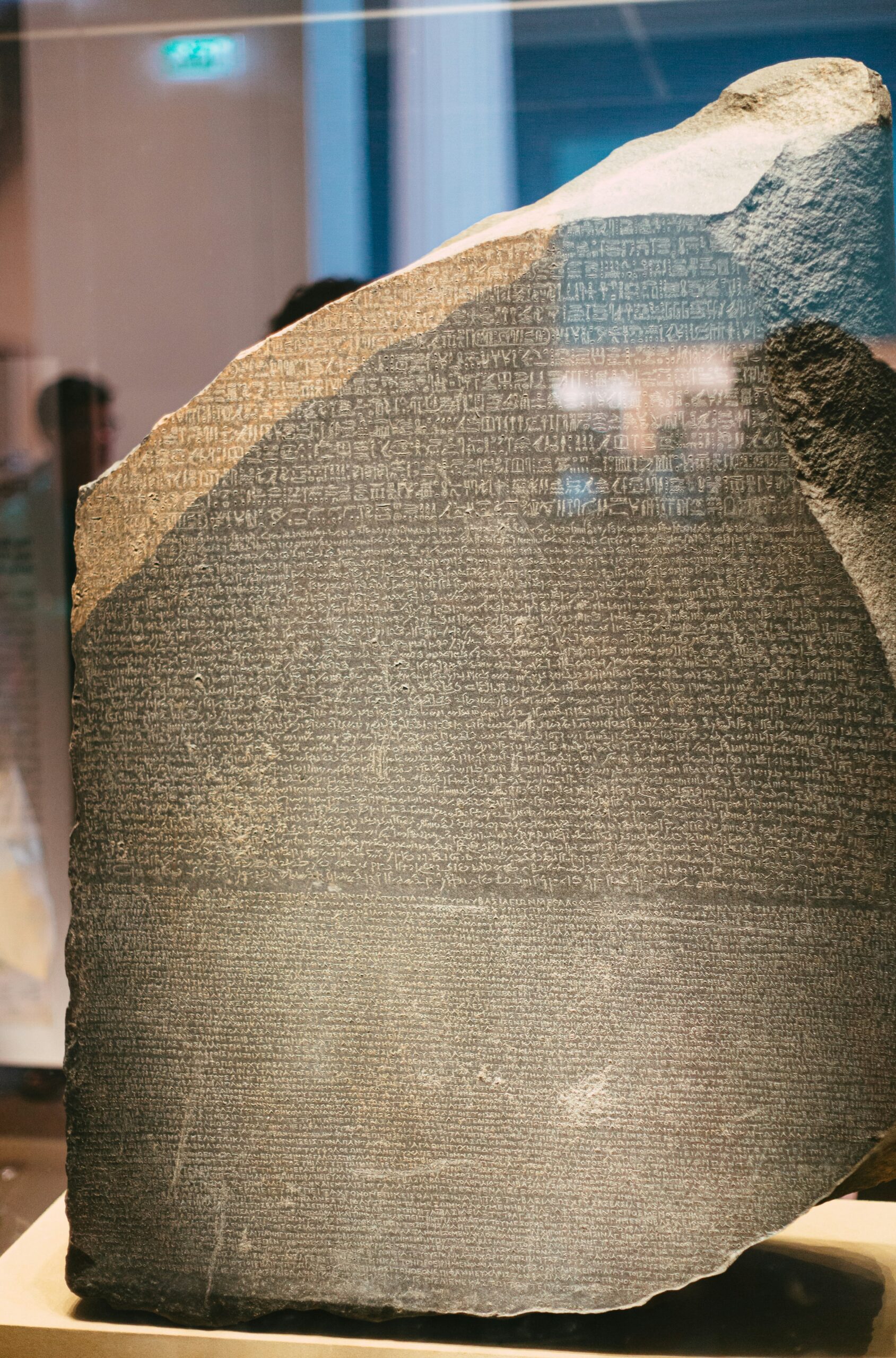
The Rosetta Stone is a famous example of lost knowledge. For centuries, Egyptian hieroglyphs could not be read, not because the writing had disappeared, but because the understanding of it had been lost. When the Rosetta Stone was discovered, the same text appeared in three scripts, one of which (Greek) was still understood. That shared reference point allowed scholars to unlock the meaning again.
Corporate memory works in exactly the same way.
What is corporate memory?
Corporate memory is the collective knowledge that allows your charity to function day to day. It includes documents, systems, decisions, processes and practical know-how. If that knowledge exists but can’t be accessed, understood or explained, it may as well be lost.
Many charities don’t realise they have a corporate memory problem until something goes wrong. A key person leaves. A system stops working. A decision can’t be explained. Suddenly, vital information exists, but no one knows how to interpret it.
Where corporate memory gets lost
Some organisational knowledge is particularly difficult to access. Common examples include:
- Information held by people who no longer serve the organisation, have moved away, or have died
- Data stored in software that is no longer supported, or where accounts and logins no longer exist
- Files saved in formats that can’t be opened because the software no longer exists
Like hieroglyphs before the Rosetta Stone, the information may still be there, but without context or access, it becomes unusable.
Who can access your knowledge?
A useful next step is to identify who can currently access different parts of your organisation’s memory. Go through each storage area and note who has access, who could help you regain access, and what information is likely to be stored there.
This often highlights two risks at once. Some people who should have access don’t, while others who have left the organisation still do. A simple audit, similar to a GDPR review, can help you decide where passwords need changing, access removed, or storage made more secure.
Sharing responsibility for memory
Rebuilding corporate memory is not a one-off task. It involves taking brief inventories, deciding what should be kept, what can be disposed of, and which version of a document is the most accurate.
This is where teamwork is key!

The key is to share responsibility:
- Property or premises teams can gather manuals, equipment lists and building documentation into a shared space
- Finance teams can ensure financial records are stored securely for the correct retention periods
- Clerks can ensure minutes are complete, centralised and clearly recorded so future trustees know where to find them
It’s also acceptable to acknowledge that some information is lost or no longer needed, and doesn’t need to be recreated.
Recovering what you can
Digital tools make recovery easier than it once was. Old websites can often be accessed through online archives, and files can sometimes be reconstructed from historic emails and downloads. At MBS, we’ve helped charities rebuild key knowledge from fragments when it felt completely inaccessible. Find out more about our charity admin services HERE.
If you want a simple place to start, our free MBS Compass Spreadsheet helps you map where your corporate memory lives, who can access it, and what actions are needed to protect it. Think of it as your organisation’s Rosetta Stone, creating shared understanding before knowledge is lost again.

Wendrie Heywood
Founder, MBS