Category: Quaker History
Glimpses into Quaker History focusing on buildings, volunteers and meeting management.
-

Quaker A-Z: Q is for Quakerly
What does Quakerly mean? I dislike Quakerly as a adjective. It is usually used in a pejorative, not in a friendly way! “THAT wasn’t very Quakerly….‘ With the ‘THAT’ being something the speaker feels passionately about. But it isn’t actually a specific corporate testimony. If it is a specific corporate testimony then you can say, ‘Quakers
-
Quaker A-Z: Y is for Yarn
A Good Yarn Firstly, in the last couple of A-Z blogs I’ve talked about reviewing your organisation and how you communicate with each other and further afield. Following this, I will refocus this time and talk about oral or verbal history and how that can enhance the meeting. In the last few years, I’ve been
-

AdventWord 2024: Salvation
Salvation is a tricky word Quakers are remarkably quiet about Salvation – there are only a few references in Quaker Faith & Practice (the book of discipline for Britain Yearly Meeting) and a quick internet search will show a similar lack of discussion. We are more concerned in our own transformation, and how that plays
-
Fail or Grow?
Which questions are asked? This blog is the next in my four-part series of outtakes from the Future of British Quakerism Conference. Friday’s review of first the dwindling numbers from the Tabular Statement and then an increase of average age by a year from last year’s survey both added to the general feeling of worry
-
Quaker A-Z: V is for Visiting
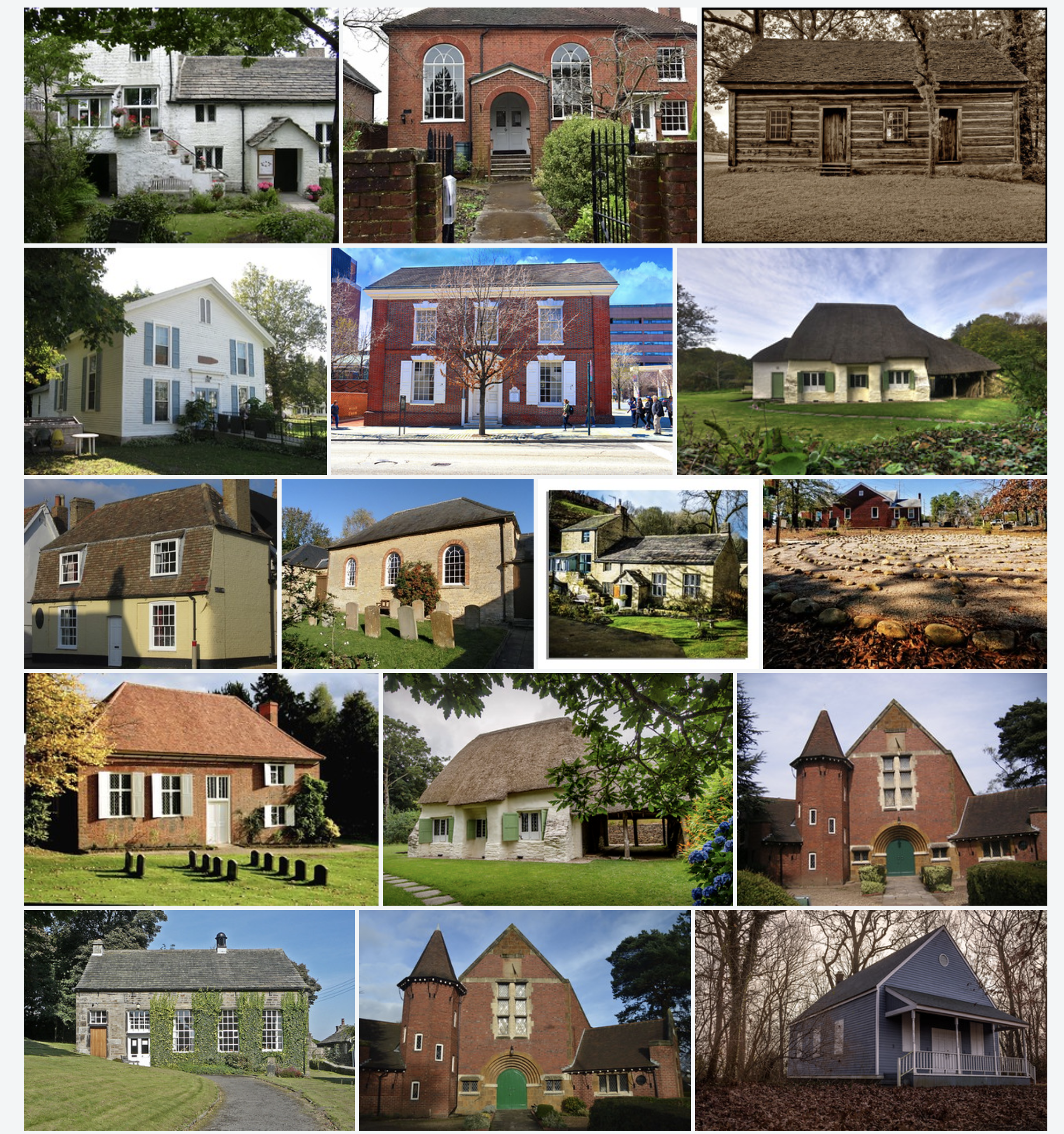
Visiting Meeting Houses – in person or virtually… It may not surprise you to know I love visiting new meeting houses or revisiting those I’ve been to previously. Area Meetings or other occasions can be a great motivation to ensure that community members travel and get to see places they’ve only read or heard about
-
Quaker Testimony of Truth – Lifecycles of a meeting
Let’s explore the lifecycles of a meeting within the Quaker Testimony of Truth. Quaker history and its associated buildings are precious to me. This won’t surprise anyone who knows me – I feel that Quaker meeting houses (or any faith-owned building) give a worshipping community a sense of place in the local area. The building
-
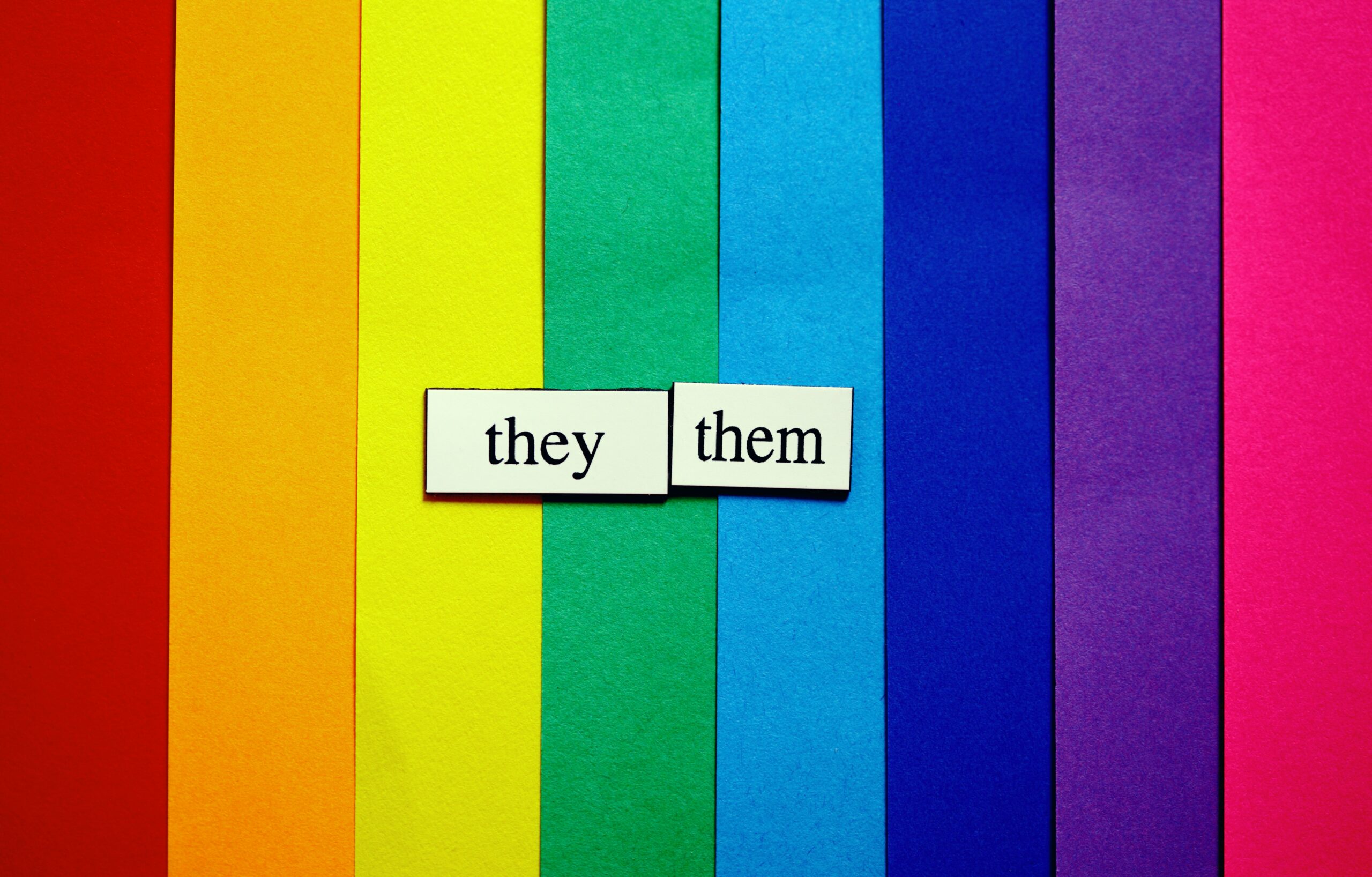
Quaker A-Z: G is for Gender Neutral Language
Quakers have a testimony to equality. For over sixty years Quakers in Britain have struggled with gender and sexual equality. Gender inclusive or gender neutral?
-

AdventWords 2022: Mountains
Respect the wide diversity among us in our lives and relationships. Refrain from making prejudiced judgments about the life journeys of others. Do you foster the spirit of mutual understanding and forgiveness which our discipleship asks of us? Remember that each one of us is unique, precious, a child of God. QF&P: 1.02.22 Tim Gouw